Minimalist Script: A Clean, Functional Approach to Typography
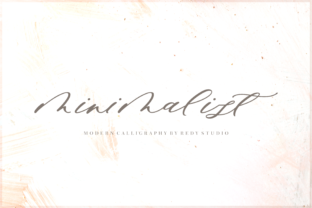
Minimalist Script is a typeface designed for clarity, simplicity, and versatility. It stands out in the crowded world of fonts by focusing on essential elements that make it both aesthetically pleasing and highly functional. Whether you're working on a website, branding project, or print material, Minimalist Script offers a balanced approach to typography that can enhance readability without sacrificing style.
Unlike more ornate scripts that prioritize visual flair, Minimalist Script emphasizes clean lines, consistent stroke weights, and a structured layout. This makes it ideal for projects where legibility is crucial, such as user interfaces, editorial designs, or marketing collateral. Its restrained design also allows it to blend seamlessly with other typefaces, making it a valuable addition to any designer’s toolkit.
Key Characteristics of Minimalist Script
One of the most defining traits of Minimalist Script is its lack of embellishments. The letterforms are straightforward, with minimal variation between uppercase and lowercase characters. This uniformity contributes to a sense of order and professionalism, which is especially important in business and academic contexts.
The font also features a wide range of weights and styles, including regular, bold, and italic variations. This flexibility allows designers to use it in different settings—whether for headings, body text, or decorative elements. The consistent x-height across all weights ensures that the font maintains a cohesive look throughout any composition.
Another notable feature is its open counters and generous spacing. These design choices improve legibility, particularly at smaller sizes. This is a significant advantage when using the font for long-form content, as it reduces eye strain and enhances the overall reading experience.
Purpose and Practical Value
Minimalist Script was developed with practical applications in mind. Its primary purpose is to serve as a reliable, easy-to-use typeface that works well in both digital and print environments. It is particularly useful for projects that require a modern, no-nonsense aesthetic without the complexity of more elaborate scripts.
For web designers, Minimalist Script offers a great balance between style and performance. Its file size is relatively small compared to other script fonts, which helps improve page load times without compromising on visual appeal. This makes it an attractive option for websites that prioritize speed and efficiency.
In branding, the font can help convey a sense of sophistication and reliability. Companies looking to establish a professional image without appearing too formal may find Minimalist Script to be an effective choice. It can be used for logos, taglines, and other brand assets that need to communicate clarity and consistency.
Real-World Performance and Usability
When tested in real-world scenarios, Minimalist Script performs well across a variety of mediums. On screens, it remains readable even at smaller sizes, thanks to its clear letterforms and ample spacing. This is especially beneficial for mobile users who may have limited screen space.
Print applications also benefit from the font’s strong typographic foundation. It produces sharp, crisp results on both high-resolution and standard-quality printers, ensuring that the final output meets professional standards. This reliability makes it a go-to option for designers who need consistent results across different platforms.
Usability is another area where Minimalist Script shines. Its simple structure makes it accessible to both novice and experienced users. Designers can quickly integrate it into their workflows without needing extensive training or customization. This ease of use is a major advantage in fast-paced creative environments.
Strengths and Limitations
One of the main strengths of Minimalist Script is its adaptability. It works well in a wide range of design contexts, from corporate reports to social media graphics. Its neutral tone allows it to complement other design elements without overpowering them, making it a versatile choice for multi-platform projects.
However, it is not without limitations. Because of its minimalist approach, it may not be the best choice for projects that require a strong visual identity or emotional impact. More expressive scripts might be better suited for creative campaigns that aim to evoke specific feelings or tell a unique story.
Additionally, while the font is highly legible, its simplicity may not appeal to everyone. Some designers may find it too plain or unexciting, especially when compared to more distinctive typefaces. This is a consideration for those looking for a font that can stand out in a competitive market.
Who Benefits Most from Minimalist Script?
Minimalist Script is particularly well-suited for professionals who value clarity and efficiency. Entrepreneurs, marketers, and content creators who need to produce high-quality designs quickly may find it to be a valuable asset. Its clean, professional appearance aligns well with the goals of these industries, where first impressions matter.
Small business owners and independent designers can also benefit from using Minimalist Script. It provides a polished look without the need for complex styling or expensive design tools. This makes it an excellent option for budget-conscious creatives who want to maintain a high standard of quality.
Educators and students may appreciate the font’s readability and ease of use. In academic settings, where clarity is essential, Minimalist Script can help ensure that information is presented in a way that is easy to understand and visually appealing.
Recommendations and Final Thoughts
If you’re looking for a typeface that balances style with functionality, Minimalist Script is worth considering. It offers a reliable, adaptable solution for a wide range of design needs, from web development to print production. Its clean aesthetics and strong performance make it a practical choice for professionals who prioritize efficiency and quality.
That said, it’s important to evaluate whether the font aligns with your specific goals and audience. For projects that require a more expressive or distinctive look, other typefaces may be more appropriate. However, for most general design applications, Minimalist Script provides a solid foundation that can support a variety of creative endeavors.
Ultimately, the decision to use Minimalist Script depends on your needs, preferences, and the context of your work. By understanding its strengths and limitations, you can make an informed choice that enhances your design process and delivers the desired results.