How to Get the Most Out of Hungry Chalk Without Making Common Mistakes
If you're looking for a creative tool that blends art, education, and engagement, Hungry Chalk might be exactly what you need. This digital platform offers a unique way to express ideas, teach concepts, and even market products through visually appealing chalk-style graphics. However, like any tool, it's easy to fall into pitfalls that can limit its effectiveness. Understanding how to use Hungry Chalk properly can save you time, money, and frustration.
What Is Hungry Chalk and Why Should You Care?
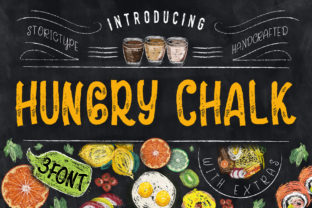
Hungry Chalk is a digital service that allows users to create and share stylized chalkboard content. It’s popular among educators, marketers, and content creators who want to add a hand-drawn, organic feel to their work. Whether you're making a tutorial video, designing a social media post, or preparing a lesson plan, Hungry Chalk provides an accessible way to bring your ideas to life with a personal touch.
The appeal of Hungry Chalk lies in its simplicity and versatility. Unlike traditional digital design tools, it mimics the look of real chalk on a blackboard, which can make content more relatable and engaging. But this doesn’t mean it’s without its challenges.
Common Mistakes When Using Hungry Chalk
Many users start with high expectations but quickly run into issues that hinder their progress. One of the most frequent mistakes is not understanding the platform’s limitations. For example, some people assume that Hungry Chalk works like a regular graphic design software, but it has specific features and constraints that require a different approach.
Another common error is overcomplicating designs. While it’s tempting to add intricate details, the charm of Hungry Chalk comes from its simplicity. Too much complexity can make the final output look cluttered or lose the natural, hand-crafted feel that makes it stand out.
Additionally, some users skip the setup process entirely. They jump straight into creating content without checking the requirements, such as compatible devices, software updates, or file formats. This oversight can lead to compatibility issues or poor-quality outputs.
Mistake 1: Ignoring the Platform’s Unique Features
Hungry Chalk isn’t just about drawing—it’s about using the right tools for the right purpose. Many users try to replicate complex vector graphics or high-resolution images, which the platform isn’t designed for. Instead of focusing on perfection, think about how to leverage the tool’s strengths, such as its ability to simulate real chalk movement and texture.
For instance, if you’re teaching a math lesson, focus on clear, step-by-step explanations rather than trying to create a detailed diagram. The goal is to enhance understanding, not overwhelm the viewer.
Mistake 2: Overlooking File and Format Requirements
Before you start creating, take the time to review the file format and resolution requirements. Some users export their work in low quality, which can make the final product look blurry or unprofessional. Always check the recommended settings for the platform you’re using, whether it’s for a website, app, or social media.
Also, be mindful of how you save and share your work. If you’re planning to use your creations online, ensure they’re optimized for web viewing. Large files can slow down loading times, which can hurt user experience and search engine rankings.
Mistake 3: Not Testing Before Finalizing
One of the biggest mistakes is not testing your work before publishing or sharing it. What looks good on your screen might not translate well on other devices or platforms. Always preview your content on different screens and in various formats to ensure consistency.
For example, if you’re creating a presentation for a classroom, test it on a projector or tablet to see how it appears. If you’re making a social media post, check how it looks on both mobile and desktop views. This small step can prevent embarrassing errors and improve the overall quality of your work.
Practical Tips to Avoid These Mistakes
To get the most out of Hungry Chalk, start by familiarizing yourself with the platform’s interface and tools. Spend time exploring its features and experimenting with different styles. This will help you understand what works best for your goals.
Next, keep your designs simple and focused. Use bold, clear text and minimalistic visuals to maintain the authentic feel of chalk. Avoid adding too many elements that could distract from the main message.
Finally, always plan ahead. Before you begin creating, outline your content, choose the right tools, and set up your workspace. This preparation can save you time and reduce the chances of making last-minute errors.
What to Check Before Using Hungry Chalk
Before diving into your project, there are a few key things to verify. First, ensure that your device meets the system requirements. Hungry Chalk may not work smoothly on older or less powerful hardware, so it’s worth checking compatibility.
Second, confirm that you have access to the necessary tools and resources. Some features may require specific plugins, extensions, or subscriptions. Don’t assume everything is included—read the documentation carefully.
Last, consider your audience. What works for a classroom might not be suitable for a corporate presentation. Tailor your content to the needs and preferences of your target viewers to maximize impact.
By taking these steps, you’ll be better equipped to use Hungry Chalk effectively and avoid common pitfalls. Remember, the goal is to create something that resonates with your audience, not just to showcase technical skills. With the right approach, Hungry Chalk can become a valuable asset in your creative or professional toolkit.