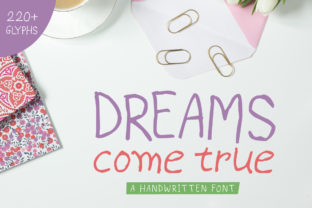
Dreams Come True
Every great design begins with a vision, and Dreams Come True is the embodiment of that creative spark. It’s more than just a concept—it’s the foundation upon which impactful visual communication is built. For designers, marketers, and creators, understanding how to translate dreams into tangible design elements can transform ideas into compelling brand experiences.
In graphic design, the phrase Dreams Come True isn’t just inspirational; it’s practical. It represents the process of turning abstract ideas into visually striking assets that resonate with audiences. Whether you're crafting a logo, designing a website, or developing social media content, the principles behind Dreams Come True guide every decision, ensuring that each element serves a purpose and aligns with broader design goals.
The Role of Dreams Come True in Visual Design
At its core, Dreams Come True is about intentionality. Every visual choice—whether it's typography, color, or layout—should contribute to a cohesive message. In branding, this means creating a consistent identity that reflects a company’s values and personality. A well-designed logo, for instance, doesn’t just look good; it tells a story and builds recognition.
When applied to digital marketing, Dreams Come True helps create materials that stand out in a crowded space. Social media graphics, email templates, and web banners all benefit from thoughtful design that captures attention and drives engagement. By prioritizing clarity and visual impact, these assets become powerful tools for communication.
Practical Applications Across Creative Fields
From packaging design to UI/UX, the concept of Dreams Come True influences every stage of the creative process. Here are some key areas where it makes a difference:
- Branding and Logo Design: A strong brand identity starts with a clear visual language that reflects the essence of a business.
- Social Media Content: Consistent visuals across platforms build familiarity and reinforce brand presence.
- Website and UI Design: Intuitive layouts and aesthetically pleasing interfaces enhance user experience and encourage interaction.
- Editorial Layouts: Effective use of typography and imagery ensures that information is both engaging and easy to digest.
- Packaging Design: Eye-catching designs can differentiate a product on the shelf and leave a lasting impression.
For designers, the challenge lies in balancing creativity with functionality. Dreams Come True reminds us that beauty should never come at the expense of usability. A stunning piece of art may catch the eye, but a well-structured design guides the viewer toward a desired action or emotion.
When selecting design elements, consider factors like scalability, readability, and compatibility with existing brand systems. A font that looks elegant on a poster may not work well in a mobile interface. Similarly, a color palette that feels modern on a website might clash with print materials. Thoughtful evaluation ensures that every component supports the overall vision.
Enhancing Creativity Through Structure
While creativity is essential, structure provides the framework that turns ideas into reality. Dreams Come True thrives in environments where design principles are applied consistently. This includes maintaining visual hierarchy, using appropriate spacing, and ensuring that every element contributes to the intended message.
For businesses, this approach translates into stronger marketing efforts and more effective communication. A professional presentation, for example, not only conveys information clearly but also reflects the credibility of the brand. Similarly, digital products like apps or e-commerce sites benefit from clean, intuitive design that enhances user satisfaction.
Ultimately, Dreams Come True is about more than aesthetics—it’s about creating meaningful connections through design. By focusing on quality, clarity, and purpose, designers can turn abstract dreams into powerful visual statements that resonate with audiences and drive results.